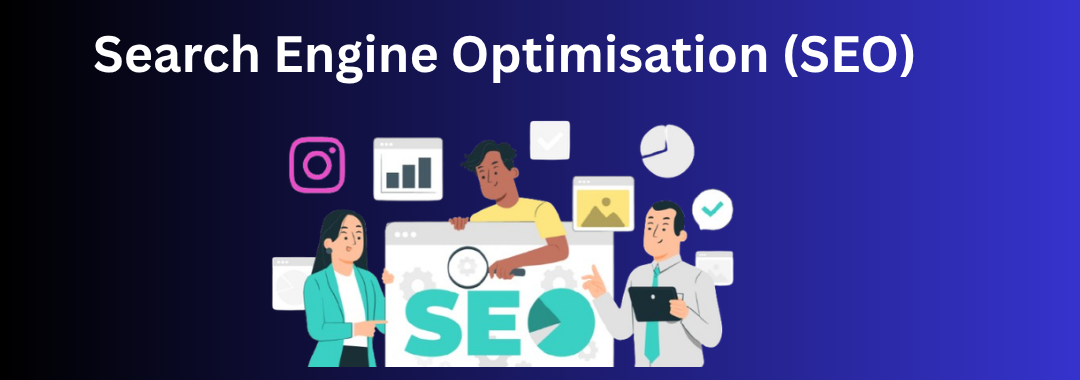
What is Search Engine Optimisation?
A search engine is an online tool that helps users find information on the internet by entering keywords or phrases.
It searches through billions of web pages, organizes the information, and displays the most relevant results in seconds. Popular search engines like Google, Bing, and Yahoo allow users to find websites, images, videos, news, and other online content quickly and easily.
Search engines use advanced algorithms to rank web pages based on their relevance, quality, and usefulness. They play a vital role in making information accessible and help businesses increase their online visibility through Search Engine Optimization (SEO). In today's digital world, search engines are essential for learning, research, shopping, and finding products and services online.
Why SEO Matters for Businesses?
Millions of users search online every day for products, services, and information. If your website does not appear on the first page of search results, potential customers may never find you.
Search engine optimization provides several long-term benefits:
* Increases organic website traffic
* Builds trust and credibility
* Improves user experience
* Generates high-quality leads
* Supports long-term business growth
* Delivers better return on investment compared to paid ads
Unlike paid advertising, SEO continues to provide value over time. A well-optimized website can attract visitors consistently.
The Importance of Keyword Targeting
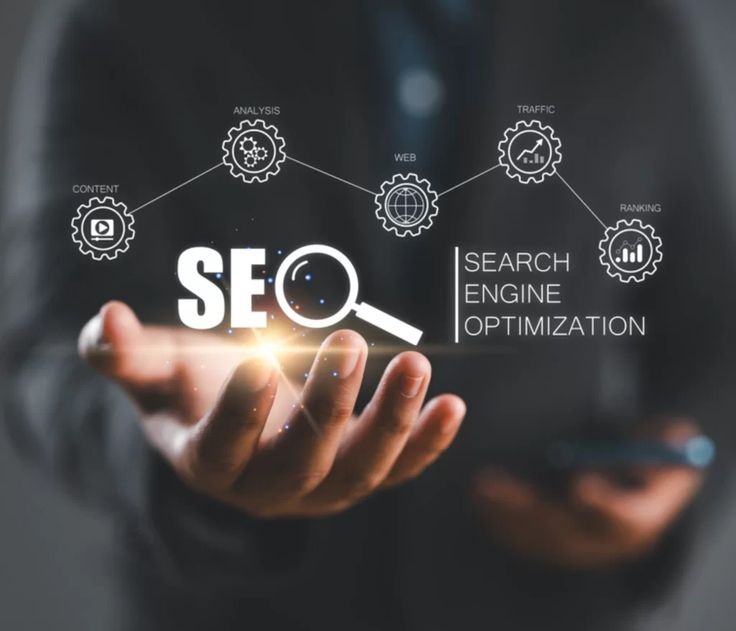
Keywords are the foundation of effective SEO because they help search engines understand what your content is about and connect it with the right audience. By choosing relevant, high-value keywords, businesses can improve search visibility, attract targeted visitors, and increase opportunities for conversions.
Keywords also help create content that matches what customers are actually searching for, making a website more useful and competitive.
On- Page SEO
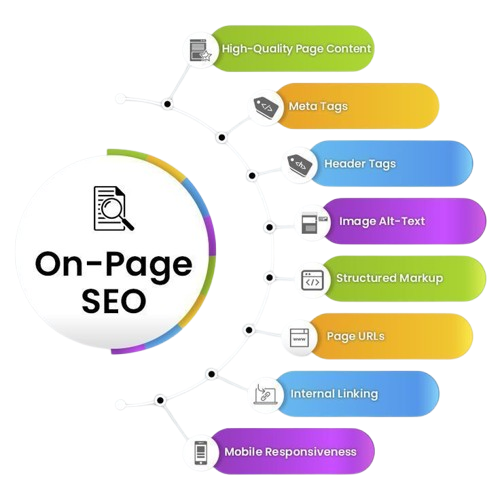
On-Page SEO is the process of optimizing every important element of a website so search engines and visitors can easily understand its content. It includes keyword placement, engaging titles, meta descriptions, headings, URLs, internal links, image optimization, and high-quality content. A strong On-Page SEO strategy makes your website more relevant to search queries while creating a smooth experience for users. By combining valuable content with smart optimization, businesses can improve their search visibility, attract targeted organic traffic, and build a stronger online presence.
exampli the seo on page
Example: Imagine you own a digital marketing agency called ClickOrbits and want to rank for the keyword “digital marketing agency in prayagraj.”
On-Page SEO turns an ordinary webpage into a search-friendly digital asset by aligning its content, keywords, headings, images, links, and structure with what users are searching for. Instead of simply adding keywords, effective On-Page SEO focuses on creating a page that answers user intent, delivers value, loads efficiently, and guides visitors toward action.
1. Smart Keyword Placement
Strategically placing relevant keywords in titles, headings, content, URLs, and meta descriptions helps search engines understand your page and match it with the right searches.
2. Search-Friendly Content
Create original, useful, and engaging content that answers your audience’s questions. Valuable content improves user experience and gives search engines more reasons to rank your page.
3. Powerful Title Tags
A well-written title tells both users and search engines what your page is about. An attractive, keyword-focused title can improve visibility and encourage more clicks.
4. Optimized Meta Descriptions
A compelling meta description gives users a quick reason to visit your website. It should clearly summarize the page and naturally include the primary topic or keyword.
5. Clear Heading Structure
Using H1, H2, and H3 headings organizes your content into easy-to-understand sections. A clear structure makes pages easier to read and helps search engines understand content hierarchy.
6. SEO-Friendly URLs
Short, descriptive URLs make your pages easier to understand and share. Including the main topic naturally in the URL can also strengthen the page’s relevance.
7. Internal Linking
Internal links connect related pages across your website, helping visitors discover more useful content. They also help search engines understand your website structure and distribute page authority.
8. Image Optimization
Optimized images improve page performance while supporting accessibility and SEO. Use descriptive file names, appropriate formats, and meaningful alt text to make images more useful.
9. Mobile-Friendly Experience
A responsive website ensures that content looks and works properly on smartphones, tablets, and desktops. A smooth mobile experience is essential for users and modern search visibility.
10. Page Speed Optimization
Fast-loading pages provide a better user experience and reduce the chance of visitors leaving quickly. Compressing images, reducing unnecessary scripts, and improving website performance can make pages faster.


Off-Page SEO
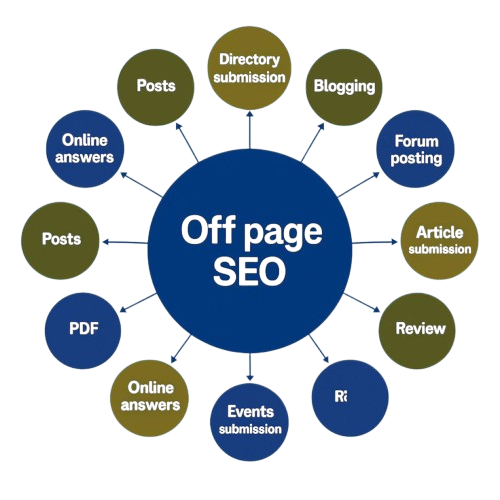
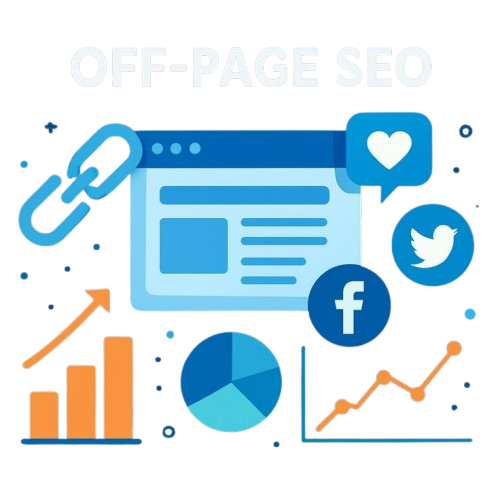
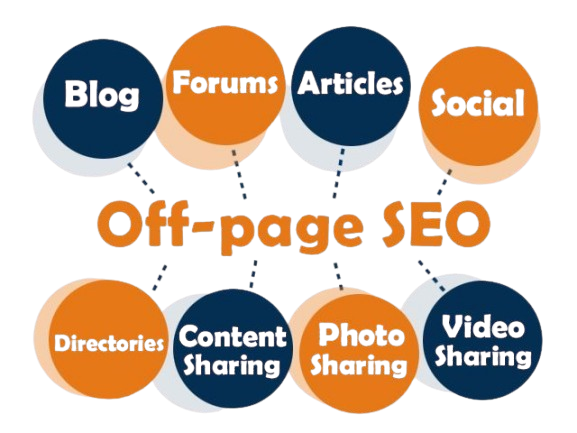
Off-Page SEO is the process of improving a website’s authority, reputation, and visibility beyond its own pages. It focuses on building trust through quality backlinks, brand mentions, online directories, guest contributions, social engagement, and digital PR. Unlike On-Page SEO, Off-Page SEO happens outside your website but plays an important role in showing search engines that your brand is credible and valuable.
Example: Suppose ClickOrbits wants to increase its authority and visibility for the keyword “digital marketing agency in prayagraj.” Instead of changing its website, the company focuses on activities outside the website.
Off-Page SEO is like building your brand’s digital reputation outside your own website. For ClickOrbits, earning relevant backlinks, gaining genuine brand mentions, receiving authentic reviews, and building relationships with trusted websites can signal credibility and authority to search engines. The goal is not to collect as many links as possible, but to create real online trust and meaningful connections that support long-term search visibility.
1. High-Quality Backlink Building
Earn backlinks from trusted and relevant websites to increase your website’s authority and credibility. Quality matters more than quantity.
2. Guest Blogging
Publish useful, original articles on industry-related websites to reach new audiences, build expertise, and generate relevant backlinks.
3. Brand Mentions
Getting your brand mentioned across blogs, websites, forums, and online publications can increase brand awareness and strengthen your online reputation.
4. Digital PR
Promote your business through online news, industry publications, and digital campaigns to create valuable exposure and attract natural links.
5. Influencer Collaboration
Working with relevant influencers can introduce your brand to a targeted audience and create opportunities for genuine engagement and brand discovery.
6. Local SEO Citations
Listing your business consistently on trusted local directories helps search engines understand your business and can improve local search visibility.
7. Online Reviews
Positive and authentic customer reviews build trust with potential customers while supporting your brand’s overall online reputation.
8. Competitor Backlink Research
Analyzing where competitors earn relevant backlinks can reveal new opportunities for your own SEO outreach and link-building strategy.
9. Community Engagement
Participating genuinely in relevant online communities, discussions, and industry platforms can build relationships and increase brand visibility without relying on spam.
10. Content Promotion
Promoting valuable blogs, guides, infographics, and other content across relevant channels can help attract visitors, mentions, shares, and natural backlinks.
Technical SEO
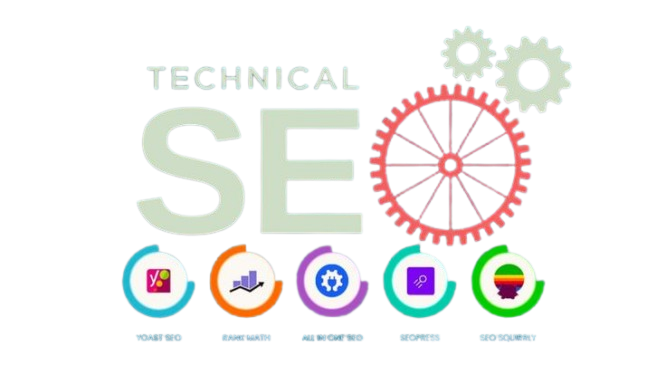
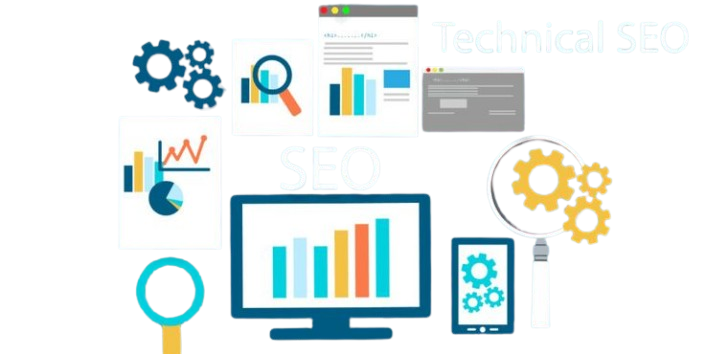
Technical SEO focuses on improving the technical foundation of a website so search engines can crawl, understand, and index its pages efficiently. It also creates a faster, safer, and smoother experience for visitors. From website speed and mobile responsiveness to XML sitemaps, structured data, HTTPS, and fixing crawl errors, Technical SEO helps build a strong foundation for better search performance.
Example: Suppose ClickOrbits has a digital marketing website, but its pages load slowly, some pages are not indexed, and the mobile version is difficult to use. A Technical SEO strategy would focus on fixing the website’s foundation.
Technical SEO is the behind-the-scenes engine of a successful website. For ClickOrbits, it means creating a website that is fast, secure, mobile-friendly, easy for search engines to crawl, and technically well organized. When the technical foundation is strong, search engines can discover and understand valuable content more efficiently, while visitors enjoy a smoother digital experience.
1. Website Speed Optimization
A fast website creates a smoother user experience and helps search engines efficiently process your pages. Optimizing images, scripts, and page resources can make your website faster and more efficient.
2. Mobile-First Optimization
Your website should provide a seamless experience across smartphones, tablets, and desktops. A responsive design ensures that content remains accessible and easy to use on every screen size.
3. Crawlability & Indexing
Technical SEO helps search engine bots discover and understand your important pages. Proper robots.txt settings, internal links, and indexing controls ensure that valuable content can be found and processed.
4. XML Sitemap
An XML sitemap acts like a roadmap for search engines, highlighting important URLs on your website. Keeping it accurate and updated can make the crawling process more organized.
5. HTTPS Security
A secure HTTPS connection protects information exchanged between users and your website. It also provides visitors with greater confidence when browsing or submitting information.
6. Structured Data
Structured data gives search engines additional context about your content, such as products, services, articles, or events. When implemented correctly, it can make your pages eligible for enhanced search results.
7. Canonical URL Management
Canonical tags help search engines identify the preferred version of similar or duplicate pages. This reduces confusion and helps consolidate SEO signals toward the right URL.
8. Core Web Vitals
Core Web Vitals focus on important aspects of page experience, including loading performance, responsiveness, and visual stability. Improving these areas can create a more enjoyable browsing experience.
9. Broken Link & Error Fixing
Broken links and incorrect redirects can create frustrating experiences for users and make crawling less efficient. Regular technical audits help identify and resolve these issues.
10. Clean Website Architecture
A logical website structure makes it easier for visitors and search engines to move between related pages. Organizing content into clear categories creates a stronger technical foundation for SEO.

Powerful SEO Tools to Boost Your Digital Marketing Strategy
SEO tools are software and online platforms that help improve a website's performance in search engine results. They assist with tasks such as keyword research, website audits, backlink analysis, rank tracking, and content optimization. By providing useful insights and performance data, SEO tools make it easier to optimize websites, increase organic traffic, and achieve better search engine rankings.
There is no fixed number of SEO tools because new tools are introduced regularly. Today, hundreds of SEO tools are available, each designed to perform specific SEO tasks. Some tools focus on keyword research, while others help with technical SEO, backlink analysis, rank tracking, content optimization, or website audits.
The most common categories of SEO tools include:
- Keyword Research Tools
- Website Audit Tools
- Backlink Analysis Tools
- Rank Tracking Tools
- Technical SEO Tools
- Content Optimization Tools
- Competitor Analysis Tools
- Local SEO Tools
- SEO Reporting Tools
- Page Speed & Performance Tools